
modern abstract art
Modern Abstract Art for Living Rooms [Updated 2026]
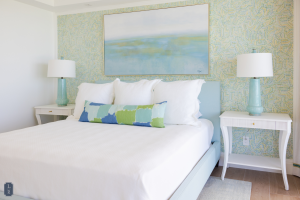
There’s something about a piece of abstract art that can completely change a room. It doesn’t just fill a wall. It sets the tone. It
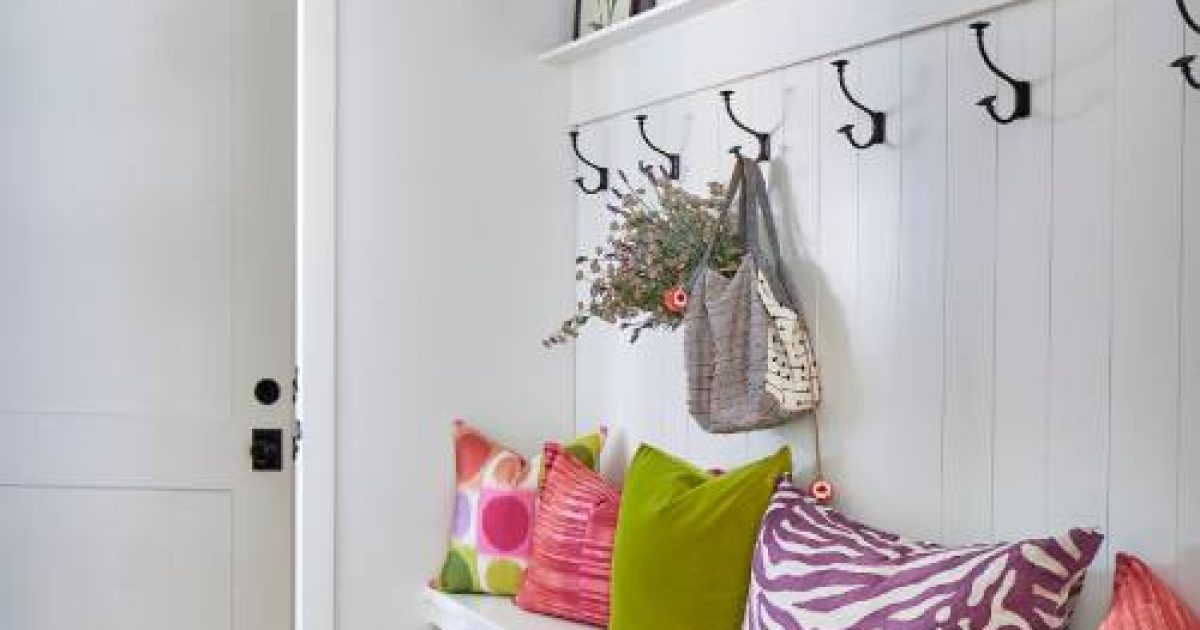
Your entryway sets the tone for your whole home. It’s the first space you see when you walk in, and the last one you pass through on the way out. Even if it’s small, it can still feel intentional, welcoming, and organized.
At Laura Ramsey Interiors, we think of the entryway as a high impact zone. A few smart updates can make your home feel more polished instantly, without a full redesign. The key is balancing function and beauty so the space works hard and still looks effortless.
Here’s our designer guide to planning an entryway makeover that feels more put together, no matter how much space you have.
Before you buy anything, decide what your entryway needs to do. Every home is different. Some need a landing spot for keys and mail. Others need shoe storage, coat hooks, or a place for bags.
Ask yourself:
Our Tip: The most elevated entryways do not try to do everything. They do a few things well and keep the rest out of sight.
Lighting is often the reason an entryway feels dull or unfinished. Because these spaces are transitional, they frequently get overlooked. One updated fixture can instantly make the area feel intentional.
What works well:
Designer tip: If the overhead light feels harsh, add a lamp or sconce so the space glows in the evening instead of feeling like a hallway.
A mirror is one of the best entryway upgrades. It reflects light, opens up tight spaces, and adds instant structure to a blank wall.
Where a mirror works best:
Designer tip: Choose a mirror with enough scale. A small mirror can look lost. A larger mirror feels more elevated and helps the space feel finished.
Even tiny entryways can have a functional moment. The trick is picking the right type of piece for the space.
Options that work in different layouts:
Our Pick: The Eloquence Avignon Console Table, is a great choice when paired with a catchall bowl. It still creates an intentional drop zone.
A rug is one of the easiest ways to make an entryway feel styled, even when the space is small. It adds warmth, absorbs dirt, and creates a visual boundary so the entryway feels like a real zone, not an afterthought.
What to look for:
Designer tip: In a hallway, a runner adds instant polish. In a small entry, a rug that sits fully under the landing piece makes the area feel anchored and intentional.
The difference between clutter and collected often comes down to containers. A catchall system lets you keep everyday items accessible without them feeling scattered.
A simple entryway catchall setup:
Designer tip: Use one main tray and keep the rest minimal. Too many small containers can start to feel busy.
Entryways collect stuff fast. The best way to keep it from feeling chaotic is to hide the clutter in pieces that still feel design forward.
Storage ideas that look elevated:
Designer tip: If shoes pile up, add one dedicated solution. A basket, a shoe tray, or a closed cabinet changes everything.
Once the function is in place, add a few finishing touches that make the space feel welcoming. This is where you want personality, but you do not want visual clutter.
A simple styling formula:
Designer tip: Leave negative space. An entryway feels more elevated when it is not over-styled.
A beautiful entryway only feels good if it stays that way. Choose solutions that are easy to reset daily.
A few practical habits that help:
Practical tip: The more effortless the system, the more likely the space stays clean.
A more put together home often starts with the entryway. With the right lighting, a mirror, a functional landing piece, and a few storage upgrades, even a small space can feel elevated and calm.
At Laura Ramsey Interiors, we help clients create entryways that feel beautiful, practical, and tailored to real life. Whether you need a quick refresh or a full plan, we’ll help you create a first impression that feels like home.
Ready to upgrade your entryway? Schedule a design consultation with our team or shop our curated furnishings to bring function, warmth, and style to your space.
There’s something about a piece of abstract art that can completely change a room. It doesn’t just fill a wall. It sets the tone. It
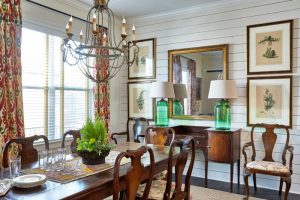
There’s something special about antique furniture that you simply can’t replicate. The weight of the wood, the wear on the edges, the subtle imperfections that