

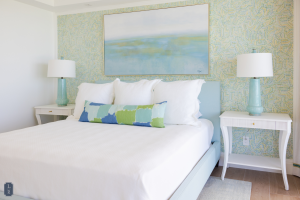
modern abstract art
Modern Abstract Art for Living Rooms [Updated 2026]
There’s something about a piece of abstract art that can completely change a room. It doesn’t just fill a wall. It sets the tone. It
Choosing furniture for a room can feel overwhelming. With so many styles, materials, and layouts to consider, it’s easy to get stuck wondering where to begin. Should you start with the sofa? The rug? The paint color?
At Laura Ramsey Interiors, we approach furniture selection the same way we approach every design project: with intention, balance, and a clear vision for how the room should feel. The right furniture doesn’t just fill a space. It creates comfort, flow, and personality while supporting how you actually live in your home.
If you’re planning to furnish a room from scratch or refresh an existing space, this guide will walk you through the key steps designers use to make thoughtful, cohesive furniture choices.
Before choosing a single piece of furniture, ask yourself an important question: how will this room be used?
The purpose of the space should guide every decision you make. A formal living room designed for entertaining will require different furniture than a casual family room meant for movie nights.
Consider a few practical factors:
For example, a living room designed for gathering with family may benefit from a comfortable sectional or a generous sofa paired with swivel chairs that encourage conversation. Meanwhile, a reading room might center around a single comfortable chair and a well-placed lamp.
When furniture aligns with the room’s purpose, the entire space feels more natural and functional.
One of the most common design mistakes is choosing furniture that doesn’t fit the scale of the room. Oversized pieces can make a space feel cramped, while furniture that’s too small can make the room feel unfinished.
Before you begin shopping, measure the room carefully.
Pay attention to:
Once you have measurements, sketch a simple floor plan or use painter’s tape to outline furniture dimensions on the floor. This helps you visualize how the pieces will fit and ensures comfortable traffic flow.
A well-designed room should allow people to move easily without navigating around furniture.
Every room benefits from a focal furniture piece that anchors the design. This is usually the largest item in the room and often sets the tone for the rest of the space.
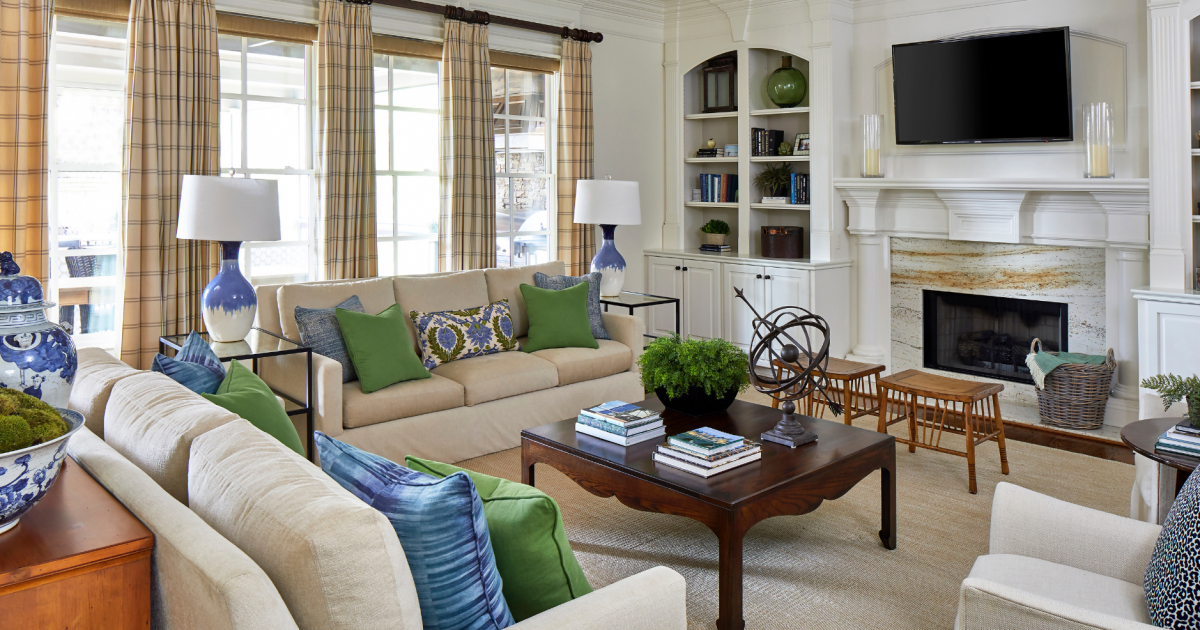
In a living room, the anchor piece is typically a sofa. In a dining room, it may be the dining table. In a bedroom, the bed naturally becomes the focal point.
When selecting this piece, focus on timeless design and quality craftsmanship. Because it plays such a central role, it should be something you’ll enjoy for many years.
For example, a tailored, classic sofa like the CR Laine Abingdon Sofa provides a refined foundation for a living room. Its traditional silhouette works beautifully within both traditional and transitional interiors.
Once the anchor piece is selected, it becomes much easier to build the rest of the room around it.
Beautiful furniture is important, but comfort should never be overlooked. The best interiors feel inviting as well as polished.
When choosing upholstered furniture, consider:
If you enjoy curling up with a book or entertaining guests frequently, comfort will play a major role in how successful the room feels.
Accent chairs can also introduce style while maintaining comfort. A swivel chair, for instance, allows flexibility and encourages conversation in living spaces.
Pieces like the LEE Industries 1931-01 Swivel Chair offer both elegance and practicality, making them ideal for transitional interiors.
A well-designed room rarely features furniture made from the same material or style. Instead, designers create interest by layering different textures and shapes.
Consider combining:
For example, a soft linen sofa might be paired with a wood coffee table, a brass floor lamp, and a woven tray.
Small accents can help tie these materials together. A decorative piece like the 18″ Square Tray with Glass works beautifully on a coffee table or ottoman while adding texture and function.
Layering materials gives the room dimension and prevents the design from feeling flat.
Furniture should feel balanced within the room and relative to other pieces.
A common design rule is to avoid placing all large furniture on one side of a room. Instead, distribute visual weight evenly.
For example:
Even smaller details matter. Coffee tables should typically sit about 16–18 inches from the sofa, allowing easy movement while remaining functional.
When proportions are balanced, the room naturally feels more comfortable and harmonious.
Furniture layout plays a major role in how welcoming a room feels. One of the best ways to create a comfortable space is by arranging furniture to encourage conversation.
Instead of pushing all furniture against the walls, try bringing seating toward the center of the room.
A typical conversation layout might include:
This arrangement makes it easy for people to interact while still feeling relaxed.
If the room is large, consider creating multiple seating areas to maintain an intimate atmosphere.
Once the main furniture pieces are in place, accent furniture helps personalize the space.
Accent pieces can include:
These elements introduce personality and often tell the story of the home.
For example, incorporating an antique object like the 1900s Boch Freres Belgian Tureen adds history and charm to a shelf or console table. Pieces like this bring depth and authenticity to a room that newer furniture alone cannot achieve.
A well-curated room balances new furnishings with meaningful accents.
Lighting is often treated as an afterthought, but designers consider it just as important as furniture.
Floor lamps, table lamps, and sconces shape how the room feels and functions.
A thoughtfully placed floor lamp can highlight a seating area while adding height to the design. For example, the Studio Swing Arm Floor Lamp offers both classic style and practical illumination for reading corners or beside a sofa.
Aim to include three types of lighting in every room:
Layered lighting helps the furniture arrangement feel intentional and complete.
Once the furniture is in place, step back and evaluate the space. Great rooms are rarely finished in a single day. Designers often refine a room gradually, adjusting pieces until everything feels balanced.
Ask yourself:
Sometimes the best design decision is removing a piece that feels unnecessary.
A room should feel curated rather than crowded.
Learning how to choose furniture for a room becomes much easier with professional guidance. At Laura Ramsey Interiors, our design team specializes in creating rooms that feel cohesive, timeless, and tailored to the way our clients live.
From selecting anchor furniture pieces to refining the final accessories, we help homeowners create spaces that feel both elegant and comfortable.
Visit lauraramseyinc.com to shop our collections or book a consultation today.
There’s something about a piece of abstract art that can completely change a room. It doesn’t just fill a wall. It sets the tone. It
There’s something special about antique furniture that you simply can’t replicate. The weight of the wood, the wear on the edges, the subtle imperfections that