
modern abstract art
Modern Abstract Art for Living Rooms [Updated 2026]
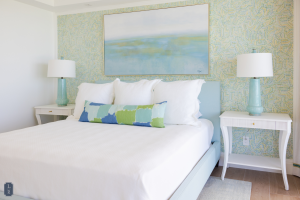
There’s something about a piece of abstract art that can completely change a room. It doesn’t just fill a wall. It sets the tone. It
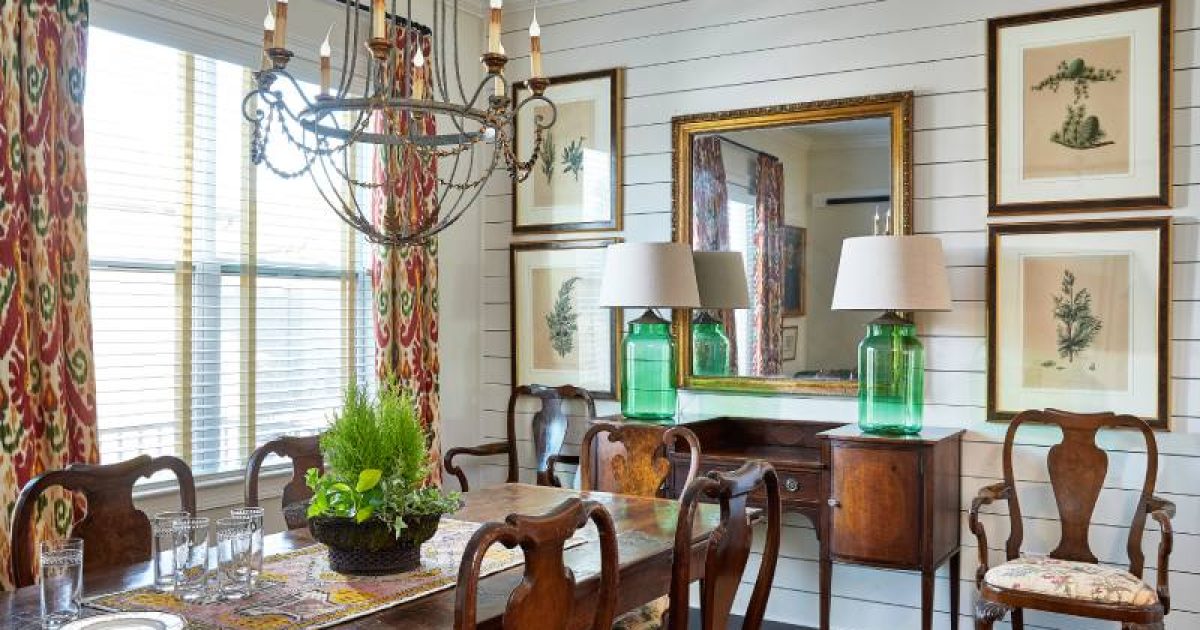
There’s something special about antique furniture that you simply can’t replicate. The weight of the wood, the wear on the edges, the subtle imperfections that tell a story. At Laura Ramsey Interiors, we’ve always believed that antiques are what give a home its soul. They ground a space, add depth, and bring a sense of history that newer pieces just can’t offer.
But if you’ve ever tried to identify an antique piece, you know it’s not always straightforward. Is it Georgian or Federal? Victorian or something else entirely? And does it even matter?
The answer is yes and no. While you don’t need to be a historian to appreciate antiques, understanding the basics can help you make more confident decisions when sourcing, styling, and investing in pieces for your home.
This guide will walk you through how to recognize common antique furniture styles and how to incorporate them in a way that feels timeless and livable.
Every antique has a story, and often that story is reflected in its design. The shape of the legs, the type of wood, and even the hardware can point to a specific time period or region.
Knowing what you’re looking at helps you:
It also allows you to appreciate the piece for what it is, rather than trying to force it into a style that doesn’t quite fit.
Before focusing on style, take a close look at how the piece is made.
Antique furniture often features:
These details are often more telling than decorative features.
Georgian furniture is known for its balance and refinement. Pieces often feature straight lines, carved details, and a sense of proportion that feels formal without being overly ornate.
Common traits include:
Georgian pieces work beautifully in traditional interiors, especially when paired with softer textiles to keep the space from feeling too formal.
Federal style evolved from Georgian design but feels lighter and more restrained. You’ll often see slimmer profiles and more delicate ornamentation.
Look for:
These pieces are perfect for transitional homes because they bring history without overwhelming the space.
Victorian furniture is unmistakable. It’s bold, decorative, and full of character.
Common features include:
While Victorian pieces can feel formal, they can also add contrast when used sparingly in a more relaxed room.
French Provincial furniture strikes a beautiful balance between elegance and comfort. It often features curved lines, carved details, and a slightly weathered finish.
You’ll typically see:
These pieces blend effortlessly into both traditional and transitional interiors.
English country furniture is rooted in function and durability. These pieces were made to be used, and it shows in their construction.
Look for:
A piece like an antique gateleg table fits perfectly within this style, offering both function and character in a space.
One of the biggest misconceptions about antiques is that they require a fully traditional home. In reality, some of the most beautiful interiors mix old and new.
The key is balance.
Pair an antique table with modern seating. Place a vintage chest beneath contemporary artwork. Let one or two standout pieces carry the history of the room while the rest keeps things fresh.
For example, a piece like the Irish Pine Hutch can anchor a room with warmth and craftsmanship while still feeling at home alongside cleaner, more modern elements.
If you’re trying to determine whether a piece is truly antique, there are a few telltale signs to look for:
Reproductions can be beautiful, but they often lack the depth and character of a true antique.
One of the easiest ways to make a home feel dated is by matching everything too closely. Antiques should feel collected, not coordinated.
Some antique pieces are smaller than modern furniture. Be mindful of proportions so the room still feels balanced.
A little wear is part of what makes antiques special. Over-restoring can strip away the character that makes the piece unique.
The most meaningful homes aren’t designed all at once. They evolve. They gather pieces slowly. They reflect the people who live there.
Antique furniture plays a big role in that process. Whether it’s a table passed down through generations or a find from a local shop, these pieces bring depth and authenticity into your home.
At Laura Ramsey Interiors, we believe antiques are essential to creating a home that feels layered, timeless, and personal. We source, style, and incorporate antique pieces in a way that feels natural, not forced.
Whether you’re looking to identify a piece you already own or incorporate antiques into your home, our team is here to help.
Explore our curated collection or schedule a consultation to begin building a home that tells your story.
There’s something about a piece of abstract art that can completely change a room. It doesn’t just fill a wall. It sets the tone. It
There’s something special about antique furniture that you simply can’t replicate. The weight of the wood, the wear on the edges, the subtle imperfections that