

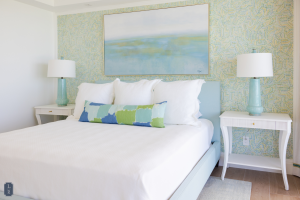
modern abstract art
Modern Abstract Art for Living Rooms [Updated 2026]
There’s something about a piece of abstract art that can completely change a room. It doesn’t just fill a wall. It sets the tone. It
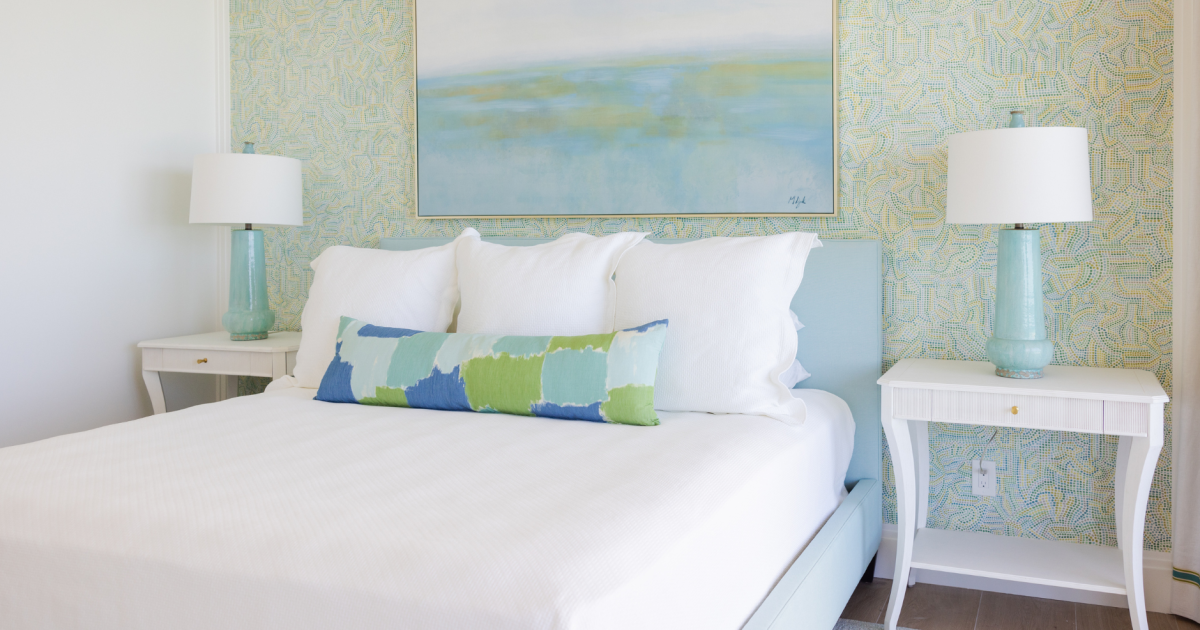
There’s something about a piece of abstract art that can completely change a room. It doesn’t just fill a wall. It sets the tone. It creates movement. It gives a space personality without saying too much.
In living rooms especially, we often find that art is the final layer that brings everything together. You can have the right furniture, the right palette, even the right lighting, and still feel like something is missing. More often than not, it’s the art.
As we move into 2026, modern abstract art is leaning a little warmer, a little softer, and a lot more intentional. It’s less about bold statements for the sake of it, and more about pieces that feel like they belong in the room.
Here’s how we approach it.
Abstract art has always been about interpretation, but the newer direction feels more livable. Instead of harsh contrasts or overly graphic designs, we’re seeing:
The goal isn’t to overwhelm the room. It’s to complement it while still adding interest.
Living rooms are where we spend the most time, so the design needs to feel comfortable and open. Abstract art supports that by adding visual interest without locking you into a specific theme.
Unlike landscapes or portraits, abstract pieces don’t compete with the rest of the room. They enhance it.
They also:
One of the most common mistakes we see is artwork that’s too small. In most living rooms, especially above a sofa, art should feel substantial.
As a general guideline:
If you’re unsure, go bigger. It almost always feels more intentional.
We’re seeing a shift away from cool grays and high-contrast black and white. Instead, abstract art is leaning into tones that feel softer and more inviting.
Look for:
These colors layer beautifully into both traditional and transitional living rooms.
The best art choices don’t fight the furniture. They work with it.
If your living room features a tailored, classic sofa like the CR Laine Abingdon Sofa, a soft, tonal abstract piece will keep the space feeling balanced and elevated.
If you have a mix of textures, like wood tables or woven accents, look for artwork that echoes that movement. Nothing too rigid.
And if your space includes a standout piece like the English Oak Double Gateleg Table, abstract art can provide contrast while still keeping the overall look cohesive.
Both approaches work, but they create very different feelings.
Framed art
• Feels more traditional and structured
• Works well in formal or transitional spaces
Unframed or canvas-wrapped art
• Feels more relaxed and modern
• Great for casual, layered interiors
In many homes, we mix both to keep things interesting.
While above the sofa is the most common placement, it’s not the only option.
Consider:
When styled alongside pieces like the 1900s Boch Freres Belgian Tureen or stacked books, artwork can feel even more collected and personal.
If you love multiple pieces, a gallery wall can work beautifully. The key is restraint.
Stick to:
You want it to feel intentional, not like you filled every available inch.
One of our favorite combinations is traditional furniture paired with modern abstract art. It creates contrast, but in a way that feels fresh rather than forced.
A classic sofa, layered textiles, and warm wood tones provide the structure. The abstract art brings in movement and keeps the room from feeling too formal.
It’s one of the easiest ways to update a traditional space without starting over.
You don’t need to fully understand a piece of abstract art to love it. If it feels right in your space, that’s enough.
Art should be part of the design plan, not an afterthought. It plays too big of a role to rush the decision.
The goal isn’t to match your pillows or rug exactly. It’s to complement the overall palette.
Modern abstract art is one of the simplest ways to elevate a living room. It adds depth, softens structure, and gives the space a sense of completion.
As we move into 2026, the shift toward warmer tones, organic movement, and more thoughtful placement makes abstract art feel more approachable than ever.
At Laura Ramsey Interiors, we believe every room should feel layered, personal, and timeless. Art plays a big role in that process, and we help our clients select pieces that truly belong in their homes.
Whether you’re refreshing a single wall or designing an entire living room, our team can guide you in choosing artwork that complements your space beautifully.
Explore our curated collections or schedule a consultation to bring your living room together with intention.
There’s something about a piece of abstract art that can completely change a room. It doesn’t just fill a wall. It sets the tone. It
There’s something special about antique furniture that you simply can’t replicate. The weight of the wood, the wear on the edges, the subtle imperfections that