

Interior Design
How to Choose Furniture for a Room: A Laura Ramsey Interiors Guide
Choosing furniture for a room can feel overwhelming. With so many styles, materials, and layouts to consider, it’s easy to get stuck wondering where to
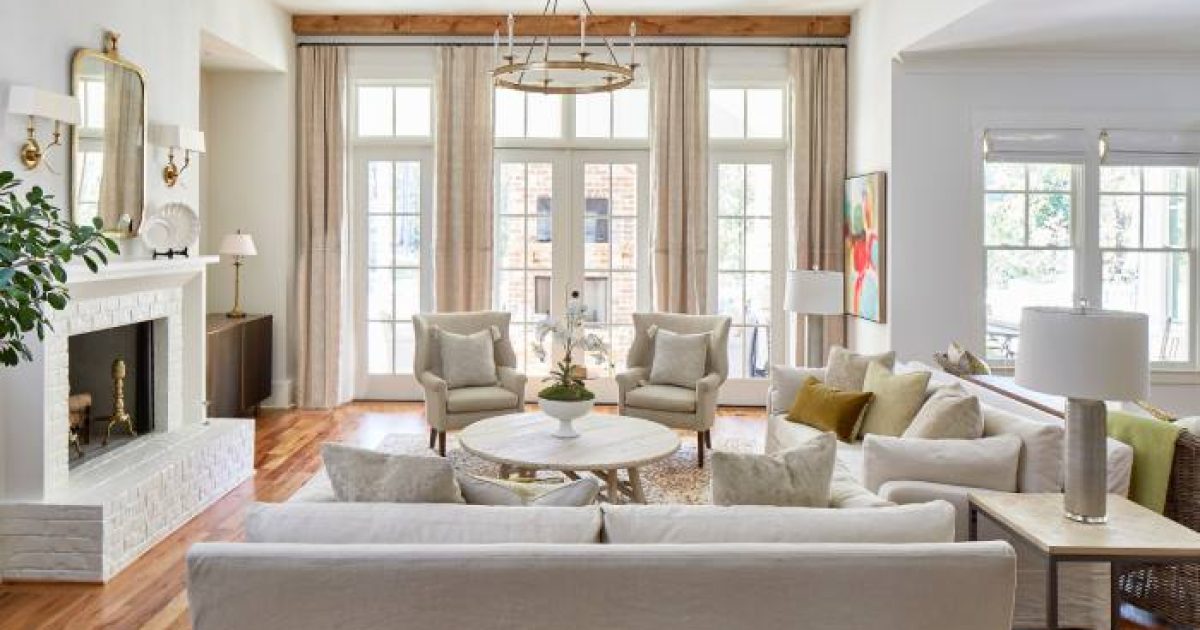
Lighting can make a beautiful room feel flat, cold, or unfinished. It can also make an average room feel cozy, elevated, and intentional with just a few thoughtful changes. If a space feels gloomy, harsh, or like it never looks quite right, the issue is often not your furniture or your paint color. It’s the lighting.
At Laura Ramsey Interiors, we design lighting the same way we design a room. With layers, balance, and purpose. The goal is simple: create a space that feels bright when you need it, warm when you want it, and inviting all day long.
This guide breaks down the layered lighting plan, how to avoid dark corners, and the practical sizing and placement rules that make everything feel polished.
Most homes rely too heavily on one overhead light. That single source creates shadows, makes corners disappear, and can feel harsh at night. Layered lighting solves that by adding light at different heights and from different directions.
A well-lit room includes three layers:
When these layers work together, the room feels complete, not dim, not glaring, and not dependent on one switch.
Ambient lighting is your base layer. It provides general illumination and sets the foundation for the whole space.
Common ambient sources:
Designer tip: Ambient lighting should be even and comfortable. If the room is bright in the center but shadowy around the edges, you likely need additional layers or better placement.
Task lighting is all about function. It prevents eye strain and makes daily routines easier.
Common task sources:
Designer tip: Task lighting should be positioned where you use it, not where it looks convenient. If you’re reading and the lamp is behind you, you’ll cast a shadow. Place task lights slightly forward and to the side.
Accent lighting is what makes a room feel warm and intentional. It creates depth, highlights features, and adds that soft glow that makes a space feel elevated at night.
Common accent sources:
Designer tip: Accent lighting is often what eliminates the dark corners. A single lamp on a console can soften an entire side of a room.
The same lamp can feel cozy or clinical depending on the bulb. Temperature is measured in Kelvins (K). Lower numbers feel warmer. Higher numbers feel cooler and more blue.
A simple guide:
For most living spaces, bedrooms, dining rooms, and living rooms, warm lighting usually feels best. Kitchens and bathrooms can still be warm, but many people prefer a slightly brighter, clearer look depending on the finishes and how the room is used.
Designer tip: Try to keep bulb temperature consistent within a room. Mixed temperatures are one of the fastest ways a space feels “off.”
A lamp that’s too small can make a room feel unfinished. A lamp that’s too large can overwhelm a table. Sizing is one of the easiest ways to make lighting look designer.
A few rules that work:
Designer tip: If you’re unsure, choose slightly larger rather than smaller. Underscaled lighting is much more common than oversized lighting.
Placement matters as much as the fixture itself. Even beautiful lights can feel awkward if they’re too high, too low, or in the wrong spot.
A few helpful guidelines:
Designer tip: Think in zones. A seating area, a reading corner, and a console wall can each have their own lighting moment.
Dark corners make a room feel smaller and less inviting. They also make the rest of the space feel uneven, even if everything is styled beautifully.
To fix dark corners:
Designer tip: Aim for at least one light source on each side of the room. It doesn’t have to match perfectly. It just needs to create balance.
The right lighting plan changes everything. It makes your home feel warmer, brighter, and more lived in, even if nothing else changes. When you layer ambient, task, and accent lighting, you create a space that works better and feels better.
At Laura Ramsey Interiors, we help clients create lighting plans that fit their lifestyle and elevate the entire home. Whether you need help selecting fixtures, improving placement, or creating a cohesive lighting story room to room, we’re here to guide you.
Ready to make your home feel intentional from sunrise to evening? Schedule a design consultation with our team or shop our curated lighting and furnishings to start bringing warmth and balance into your space.
Choosing furniture for a room can feel overwhelming. With so many styles, materials, and layouts to consider, it’s easy to get stuck wondering where to
A home can be beautifully decorated and still feel like it’s missing something. Often, it’s not about buying all new furniture or doing a full